🏠 Introduction
If you're watching When Life Gives You Tangerines,
you may be surprised (or even shocked) to see a young girl forced into an arranged marriage — and no one seems to stop it.
This isn’t just drama.
It reflects a very real part of Korea’s traditional family culture, especially in rural places like Jeju Island during the 20th century.
Let’s explore why this happened, how it worked, and what it tells us about Korea’s past.
💡 What Is an Arranged Marriage?
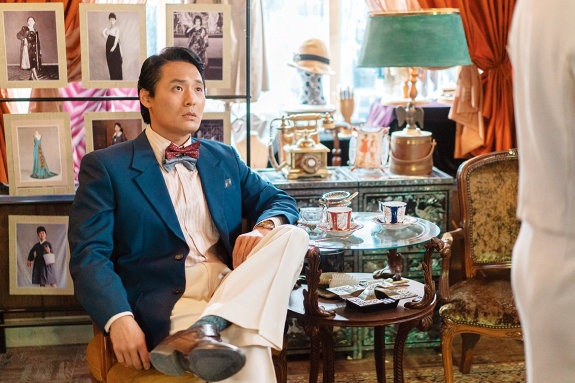
An arranged marriage means that the husband and wife don’t choose each other — their families or matchmakers (중매쟁이, joong-mae-jaeng-i) arrange everything.
In Korea, this was the norm for centuries.
Even in the 1950s–70s (the era of the drama), many people married without love — especially women.
👪 Why It Was Common in Jeju (and Rural Korea)
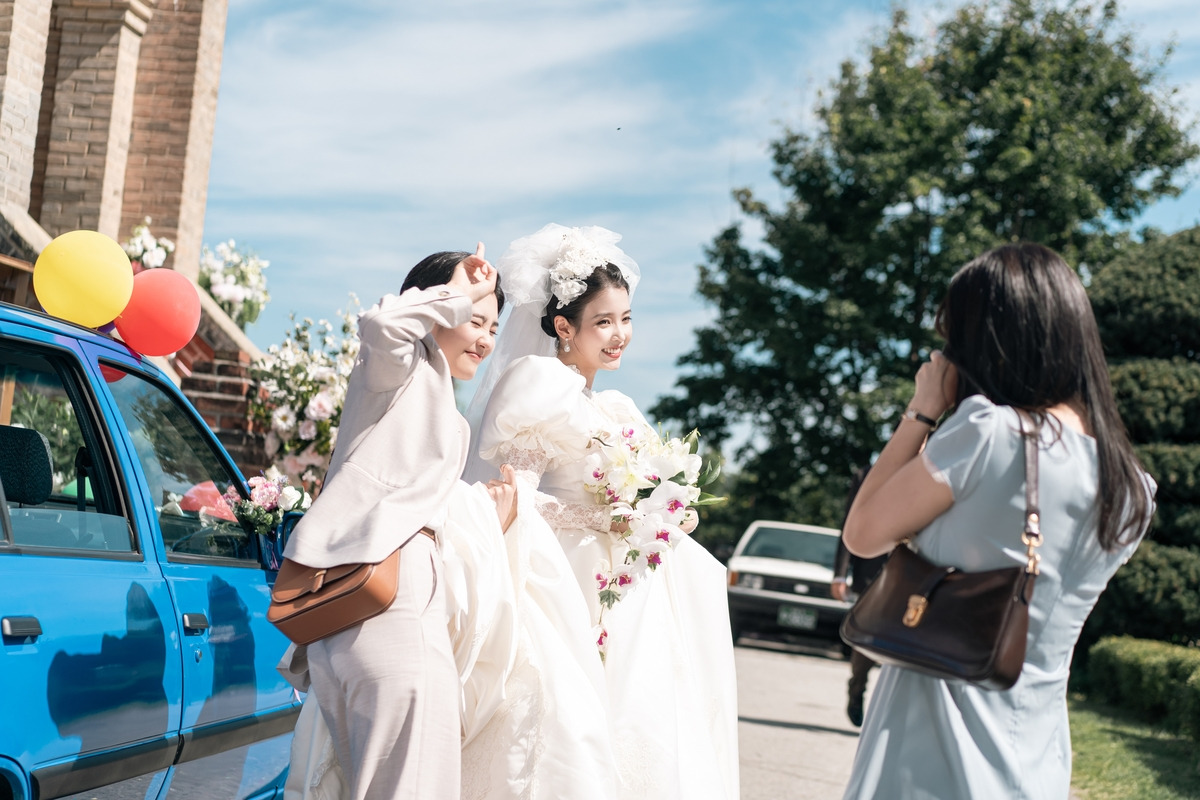
- Marriage = Family Business
Marrying was seen as a way to connect two families, not two individuals. - Girls Had No Voice
Daughters were expected to obey their parents — refusing a marriage was considered shameful. - Financial Survival
Poor families saw marriage as a way to secure dowries, labor, or better living conditions. - Social Pressure
“She’s getting old” meant age 17. Not marrying young was seen as a failure.
😢 The Drama’s Painful Truth
In When Life Gives You Tangerines, the main character:
- Is sent to a stranger’s house
- Must call an unfamiliar man “husband”
- Endures emotional and physical hardship
But she isn’t just one fictional girl.
She represents countless Korean women from that era.

🧓 Why Parents Believed It Was “Right”
Many parents weren’t cruel — they just didn’t know better.
They believed:
“This is what everyone does.”
“She’ll grow to love him.”
“At least she has food and shelter.”
Their choices were shaped by poverty, tradition, and fear — not freedom.

💍 Is It Still Common in Korea Today?
No.
Modern Koreans mostly choose their own partners.
Love marriages are the norm.
But the ghost of the old system still lingers in some conservative families.
For example:
- Some parents still pressure their children to marry early
- Family approval is often important
- “Ideal spouse specs” (job, education, looks) still matter to some
🎬 What the Drama Teaches Us
- Love is a privilege, not a given
- Freedom to choose is worth fighting for
- Breaking tradition is often painful — but necessary
The arranged marriage plot isn’t just historical.
It’s a reminder of how far Korea has come — and how far it still needs to go.
🌸 Final Thoughts
Marriage in When Life Gives You Tangerines isn’t romantic.
It’s political, practical, and painful.
But it’s also real.
And understanding this helps us connect with the characters — not just through emotion, but through history.
SEO Keywords:
Arranged marriage in Korea, Korean family culture, 폭싹 속았수다 결혼, Korean drama arranged marriage, When Life Gives You Tangerines meaning, Korean traditional marriage